Is Your Manufacturing Business Too Dependent on You? 7 Warning Signs
If every approval, follow-up and decision has to pass through you, your business isn't running on systems — it's running on you. Here are seven signs to look for, and what to do about them.
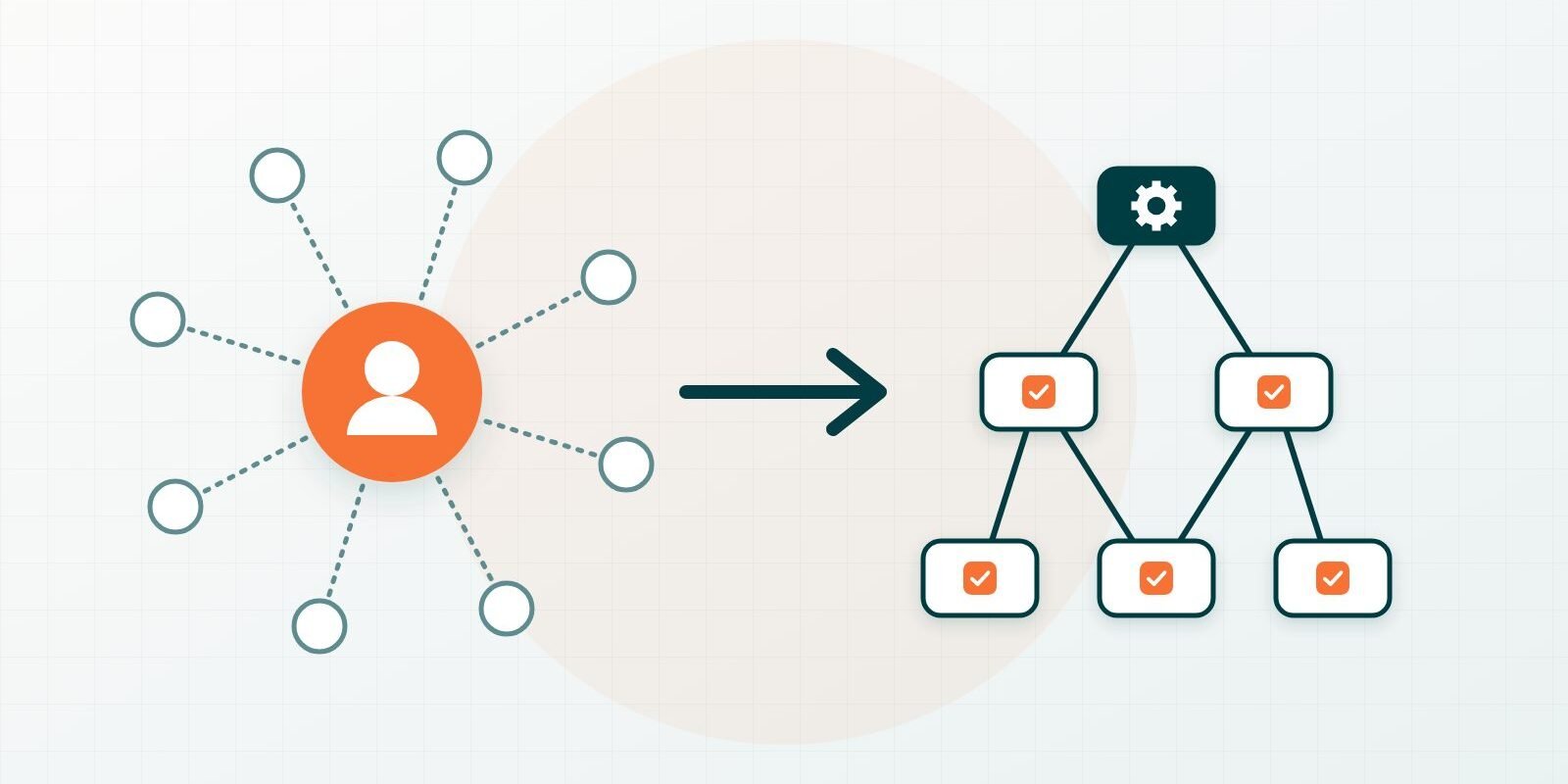
Most manufacturing businesses are built by a founder who knows every customer, every machine and every supplier personally. That hands-on knowledge is exactly what makes the business succeed in its early years. But as orders, people and complexity grow, the same strength quietly turns into the biggest bottleneck: the owner.
When the business can only move as fast as one person can think, reply and approve, growth slows, mistakes repeat and the owner never really gets a day off. Here are seven warning signs that your business depends on you more than it should.
1. Your phone never stops ringing
If your team calls you for every price, every delivery date and every small exception, the knowledge they need lives in your head instead of in a system. Every call is a small interruption — and together they consume your entire day.
2. Work stops when you travel or fall sick
A simple test: what happens when you are away for a week? If dispatches get delayed, payments wait and decisions pile up on your desk, your business has no operating system of its own.
3. Nobody is clearly accountable
When tasks are assigned verbally or over scattered messages, it is hard to say who owns what — and by when. Things slip through the cracks, and you end up following up personally on everything.
4. You find out about problems too late
Without real-time visibility into sales, production and pending tasks, issues surface only when a customer complains or a deadline is missed. By then, fixing them costs more time and money.
5. The same mistakes keep repeating
Repeated errors are rarely a people problem. They usually mean the process itself is undocumented, unclear or different every time someone new does it.
6. Data lives in a dozen Excel sheets
Multiple versions of the same spreadsheet, manual consolidation at month-end and reports that take days to prepare are classic signs that information is not flowing through a system.
7. You work in the business, not on it
If your days are spent firefighting instead of planning growth, building relationships or developing new products, your time is being used for work a well-designed system could handle.
What to do about it
Reducing owner dependency does not start with buying software. It starts with understanding how work actually flows through your business today:
- Audit your existing processes, systems and controls to find where decisions and information get stuck.
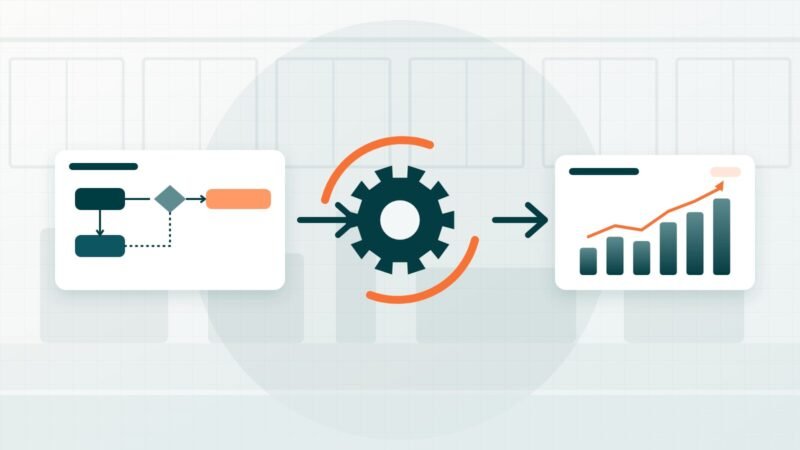
- Map and redesign the key workflows — enquiry to order, order to dispatch, dispatch to payment.
- Document them as simple Standard Operating Procedures so anyone can follow them.
- Automate the repetitive parts — task assignment, follow-ups, daily reports and dashboards — so the system runs without you chasing it.
Done well, this gives you clear accountability across your team, real-time visibility into performance and, most importantly, your time back. That is what we mean by running your business on autopilot — and enjoying 5 Sundays a week.