

90% of SMEs struggle with ERP implementation. Are you making these 5 mistakes?
 +91 9818886277
 marketing@vaspl.co.in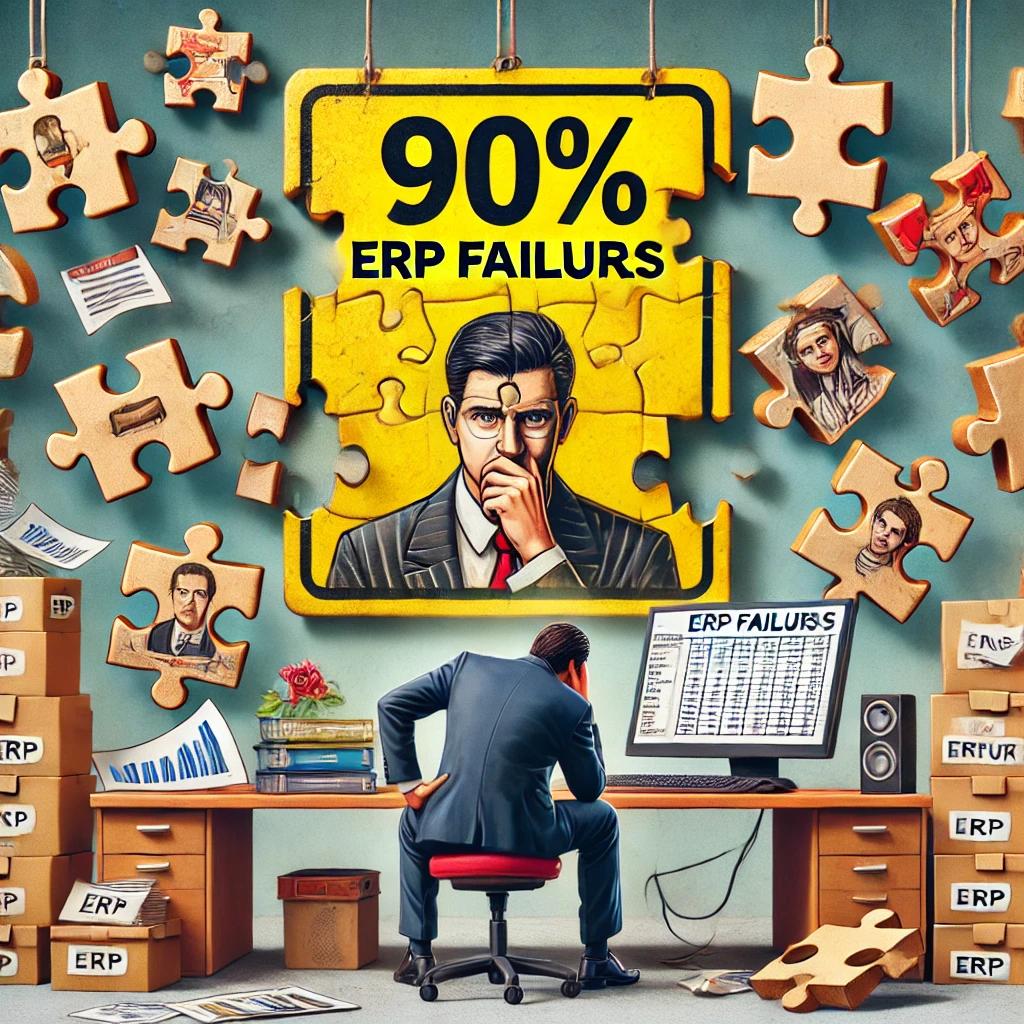
Overview of 90% of SMEs struggle with ERP implementation. Are you making these 5 mistakes?
Enterprise Resource Planning (ERP) systems are designed to streamline business operations, improve efficiency, and provide better data management. However, despite the potential benefits, 90% of ERP implementations in Small and Medium Enterprises (SMEs) in India fail. This raises an important question — why do so many SMEs struggle with ERP implementation?
Why ERP Implementations Fail in SMEs
A report by Panorama Consulting highlighted that over 90% of ERP projects either exceed their budgets, miss deadlines, or fail to deliver expected results. Additionally, an article published in Forbes titled "Why ERP Implementations Fail" emphasizes that poor planning, lack of user training, and system misalignment are some of the key reasons behind ERP failures. The article points out that without proper strategy and customization, ERP systems often become more of a burden than a solution.
Do You Know?
Here are the 5 key reasons why ERP implementations in Indian SMEs fail:
- Lack of Proper Planning and Strategy
Many SMEs rush into ERP implementation without a well-defined strategy. This leads to confusion, misaligned goals, and inefficient execution.
- Resistance to Change
Employees often resist adopting new systems due to inadequate training and fear of increased workload. This creates operational gaps and reduces system adoption.
- Selecting the Wrong ERP System
Not all ERP systems are designed for SMEs. Choosing an overly complex or unsuitable ERP solution results in poor user experience and limited functionality.
- Data Migration and Integration Issues
Migrating existing data into a new ERP system is a critical process. Inaccurate or incomplete data transfer leads to reporting errors and operational inefficiencies.
- Lack of Customization and Flexibility
Most ERP systems are designed for large enterprises. Without customization to meet the specific needs of SMEs, the system becomes rigid and ineffective.
What Works for Any Company?
The key to a successful ERP implementation is customization. A one-size-fits-all approach rarely works for SMEs. Customizing the ERP system to match the specific needs and processes of the business ensures better adoption, improved efficiency, and long-term success.
Conclusion:
ERP systems have the potential to transform SMEs in India, but without proper planning, training, and customization, they often fail to deliver results. The solution lies in choosing the right ERP system and ensuring it is tailored to the business's unique requirements.