

Why Harsh Communication is a Sign of a Missing System
 +91 9818886277
 marketing@vaspl.co.in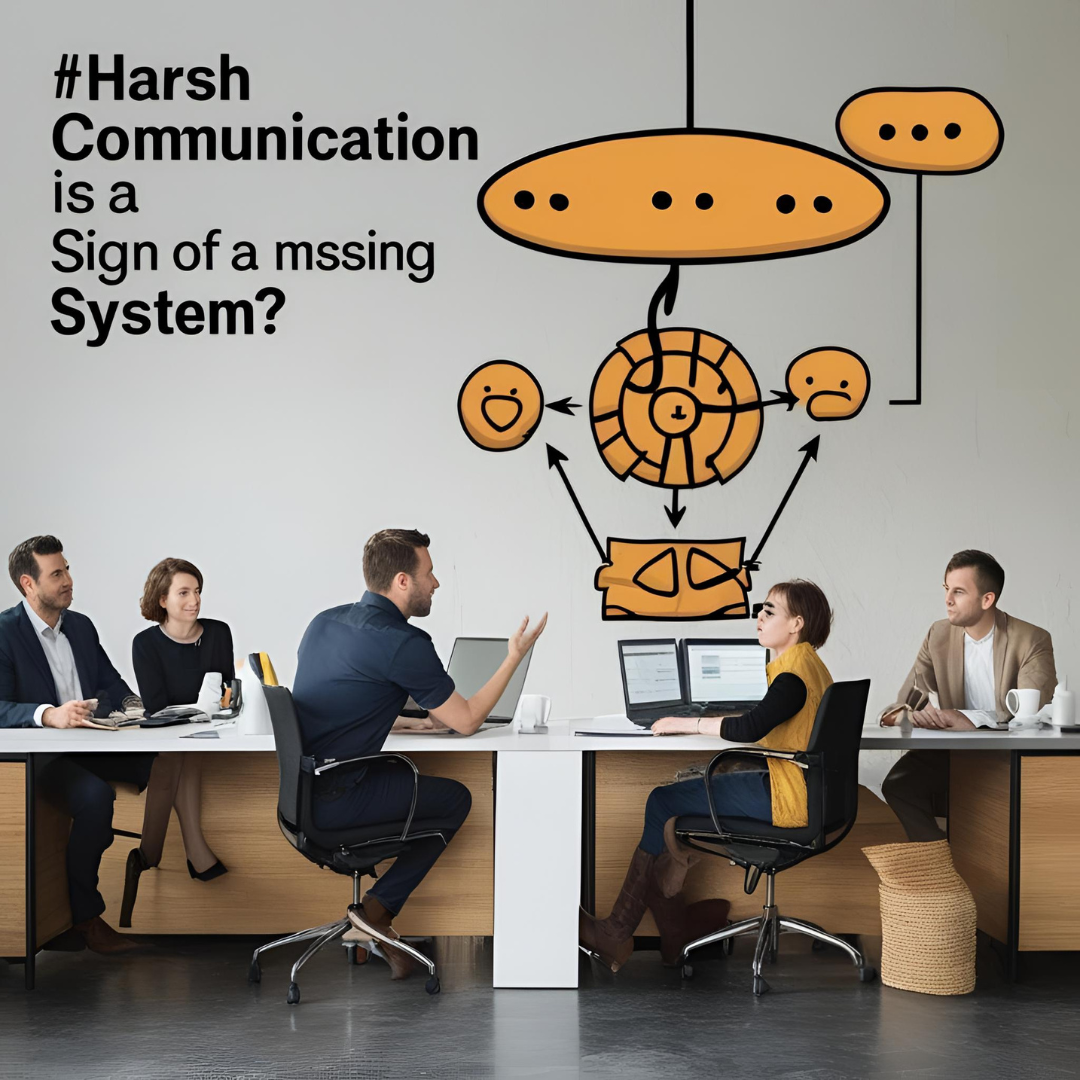
Overview of Why Harsh Communication is a Sign of a Missing System
In most organizations, follow-ups — especially for payments or pending tasks — become a stress point. What starts as a gentle reminder can quickly escalate into frustration, delayed responses, or even strained professional relationships.
Let’s be honest:
When follow-ups are manual, they’re inconsistent and often emotional.
And that’s exactly where systems come in.
When follow-ups are manual, they’re inconsistent and often emotional.
And that’s exactly where systems come in.
The Real Issue
-
You ask twice.
- You remind again.
- Still no action.
- You lose patience.
Now your message sounds harsh, even if that wasn’t your intent.
Result?
The task may get done, but the relationship is damaged.
The Smarter Way: Automate the Follow-Up
Replace emotion with automation.
- Set up structured follow-up systems
- Use polite, scheduled reminders
- Stay professional — every time
- Let the system handle repetition and tone
Example:
A payment reminder system sends alerts at 3, 7, and 10 days — no emotions, no irritation. Just results.
A payment reminder system sends alerts at 3, 7, and 10 days — no emotions, no irritation. Just results.
Benefits to the Organization
- Clear communication
- No dependency on individuals’ moods or patience
- Reduced escalations and misunderstandings
- Stronger client and internal relationships
Harsh tone is a symptom. Lack of system is the root cause.
If you’re facing communication friction in follow-ups — the solution isn’t training people to “stay calm.”
It’s about building systems that speak professionally, every time.
It’s about building systems that speak professionally, every time.
Let systems do the follow-up.
Let your team stay focused.
And yes — keep smiling. ????
Let your team stay focused.
And yes — keep smiling. ????