Process First, Automation Second: Why Automating a Broken Process Fails
Automation multiplies whatever process you give it — good or bad. Here's why the smartest automation projects start with process redesign, and how to approach it in a manufacturing business.
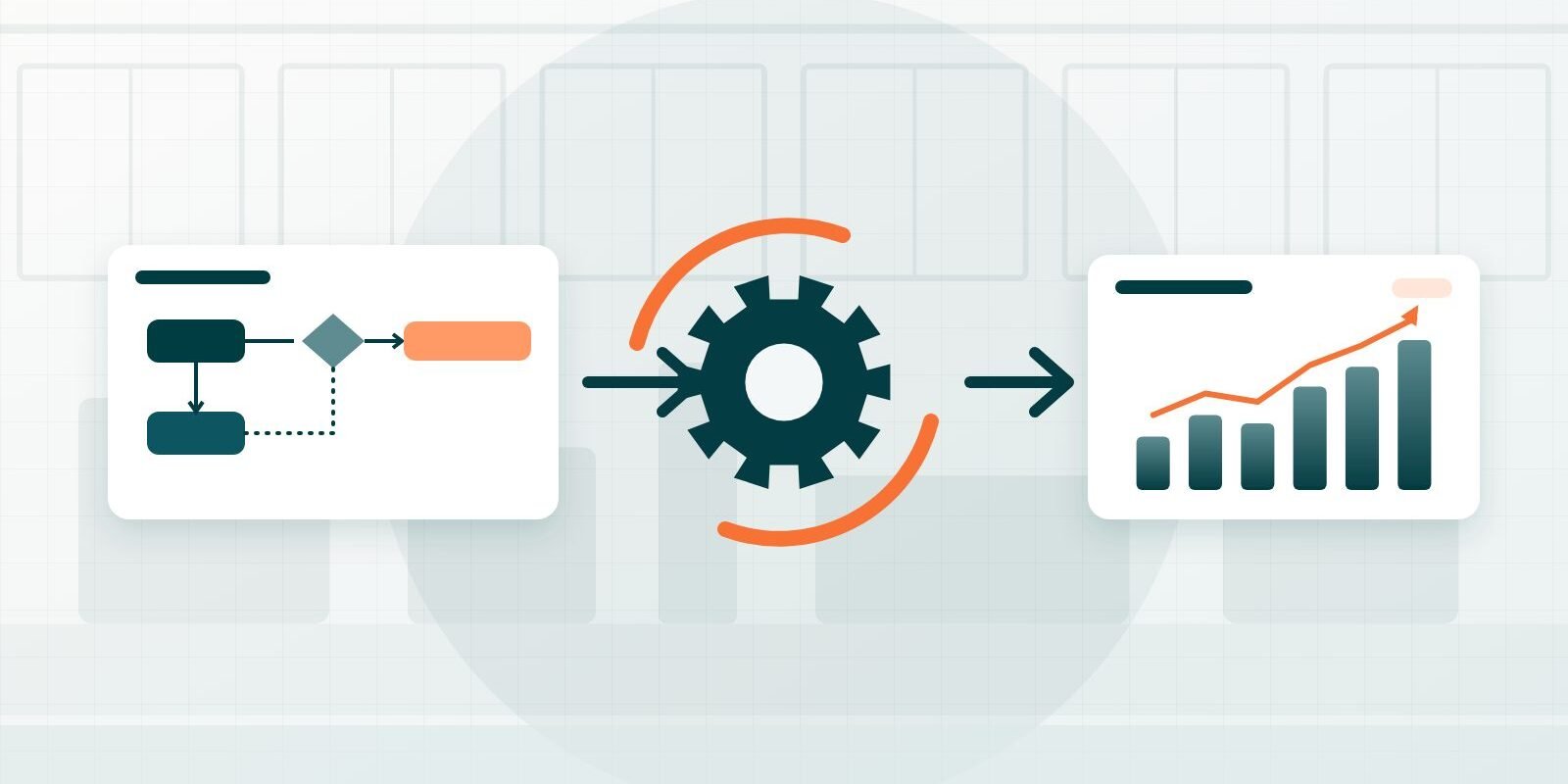
Automation is one of the most effective ways to save time, cut manual errors and give owners real-time visibility. But there is a trap many businesses fall into: they try to automate the way work is done today, without first asking whether that way makes sense.
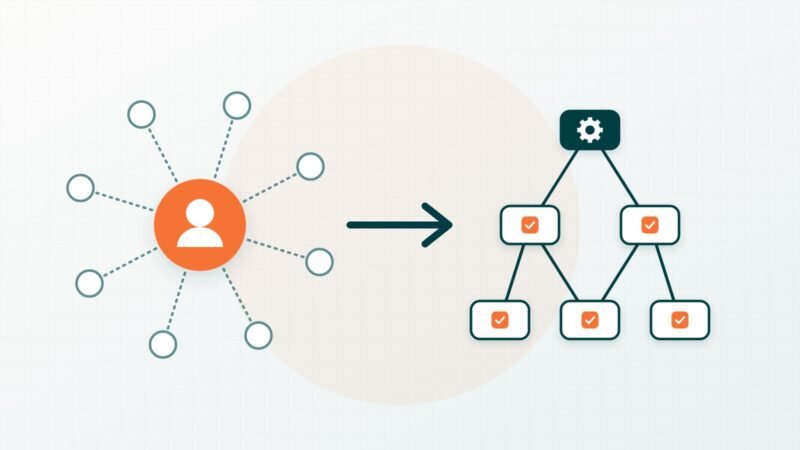
Automation does not fix a process. It multiplies it. A clear process becomes faster and more reliable. A confused one becomes confusion at scale.
Why “just buy software” often disappoints
Off-the-shelf software comes with its own idea of how your business should work. When that does not match your actual processes, teams create workarounds, keep parallel Excel sheets and slowly stop using the system. The result is extra cost with very little change.
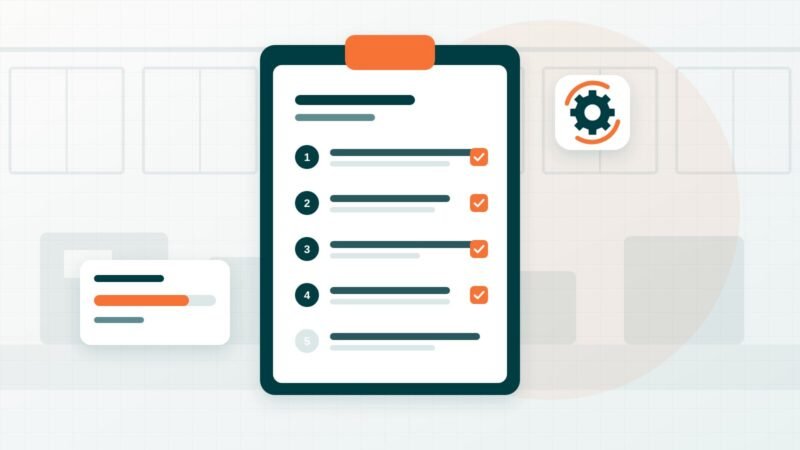
Step 1: Understand the current process
Map how work really flows today — from enquiry to order, from order to production, from dispatch to payment. Identify who does what, which information is needed at each step, and where things wait, get repeated or go missing.
Step 2: Redesign before you automate
Remove steps that add no value, clarify hand-offs between people and departments, and define who is accountable for each stage. Often, this redesign alone delivers a noticeable improvement — before any technology is added.
Step 3: Standardise it
Document the redesigned process as simple SOPs so it is executed the same way every time. Automation works best on steps that are consistent and clearly defined.
Step 4: Automate the repetitive parts
Now technology can take over the work people should not have to do manually:
- Assigning tasks with owners and deadlines
- Sending reminders and escalating overdue work
- Consolidating data from different teams automatically
- Delivering daily summary reports by email
- Keeping dashboards updated in real time
Practical, cost-effective tools
Automation does not have to mean expensive, complex software. Tools many businesses already use — like Google Workspace, with Google Sheets, Forms, Gmail and dashboards — can be connected into customised, scalable systems built around your exact processes.
The result
When processes come first and automation second, you get systems your team actually uses: clear accountability, fewer errors, less manual effort and better visibility for the owner. Most importantly, the business keeps running smoothly even when you step away.
Not sure where your processes stand today? A business systems audit is the best place to start.